This post will be a little different from most of the articles we publish here on Spiritual Insights for Everyday Life. It is the final paper I wrote for my high school senior philosophy class when I was seventeen years old. I’ve updated the punctuation a bit and fixed a few typos, but otherwise it’s exactly what I turned in to my philosophy teacher almost five decades ago.
Though I haven’t changed anything substantive in the paper, one point does require correction. Swedenborg is often credited by his followers with proposing the nebular hypothesis of the formation of the solar system decades before either Immanuel Kant or Pierre-Simon Laplace. However, though some elements of Swedenborg’s theory may have made their way into the development of the nebular hypothesis, in Swedenborg’s system, published in 1734 during his earlier scientific period, all the bodies in the solar system spin out from the central sun. However, in the nebular hypothesis, the solar system condenses from a vast cloud of dust and gas. Planets, asteroids, and so on were never part of the sun (specifically, originating in a crust that built up around the sun) as Swedenborg theorized.
I should also mention that this paper was written before gender-inclusive language became the academic standard.
If this article isn’t your cup of tea, feel free to skip it. However, for some readers it might still be of interest all these years later. First, it shows one way in which Swedenborg’s thought made its way into the broader currents of present-day human ideas through the famous and influential philosopher Immanuel Kant. Second, much of Kant’s description, summarized in the paper, of how spirit and matter interact comes directly from Swedenborg’s Arcana Coelestia (Secrets of Heaven), and may therefore be fruitful for readers of this blog.
Please enjoy (or not!) this production of my youth.
For more on Kant and Swedenborg, please click here to read on.









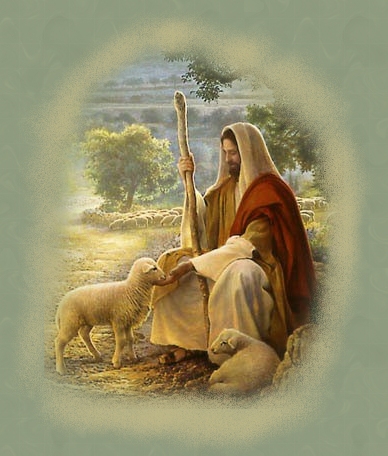 “The Spirit of the Lord is on me, because he has anointed me to preach good news to the poor. He has sent me to proclaim freedom for the prisoners and recovery of sight for the blind, to release the oppressed, to proclaim the year of the Lord’s favor.” (Luke 4:18–19, quoted from Isaiah 61:1–2)
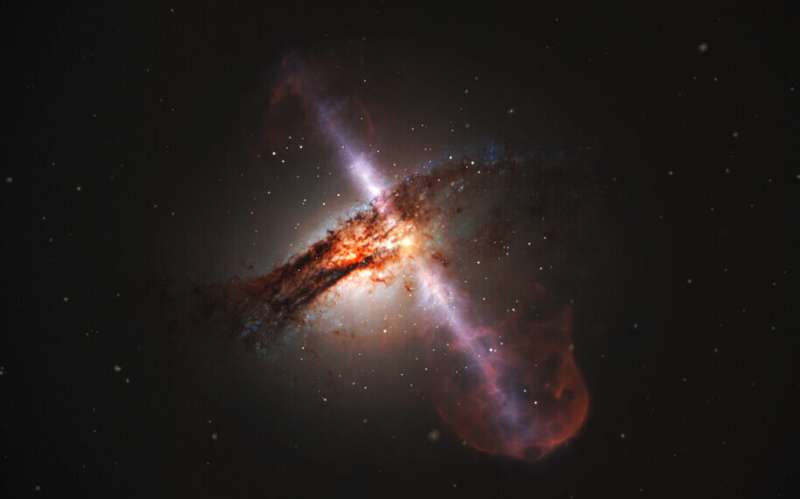

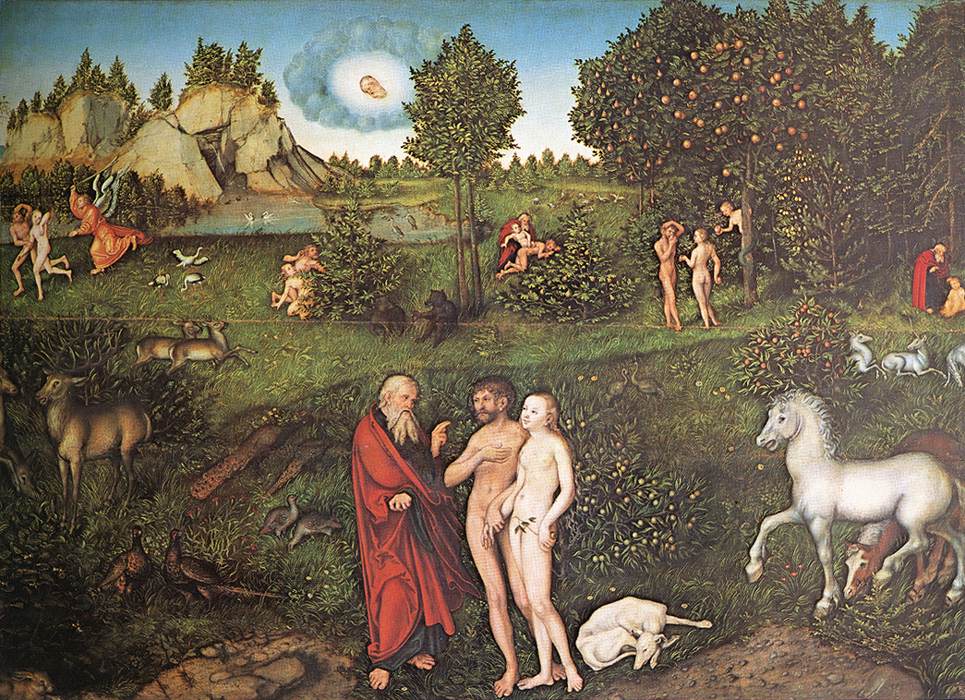
 In the Bible, various time periods or ages of human spiritual history are described in narrative fashion. The general pattern of these ages is that they start in a relatively pristine state, but then decline over time until they become completely corrupted and come to their end. A new period or age then begins, and it, too, goes through a similar cycle.



 Spiritual Insights for Everyday Life