Why does God Keep it a Secret until it’s Too Late?

Do any of these sound a little too familiar?

  • You work hard toward something you’ve set your heart on, but no matter what you do, you just can’t achieve it.
  • You start a project with high hopes, everything goes wrong, and it takes five times as long as you thought it would.
  • You set a goal for yourself, achieve it, and find out that you’re still not happy.
  • You finally manage to get into a relationship with someone you’ve desired for a long time, only to discover that it is a complete mistake.
  • You try to get something done at your job or in an organization you belong to, but you can’t seem to get anywhere. Later you find out that someone was working behind the scenes to block it.

Now tell me you haven’t had this thought:

“If only I’d known then what I know now . . . .”

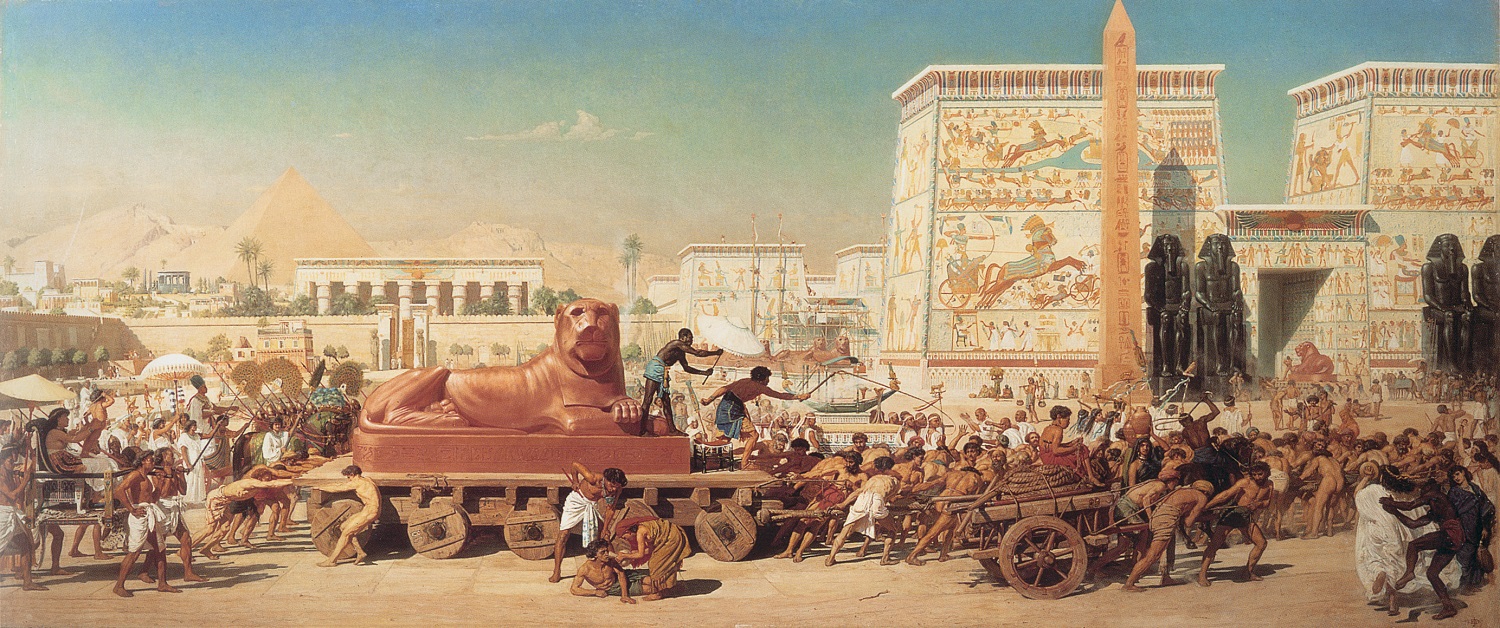
Now let’s just say that after you’ve spent months, years, or decades working toward something that turns out to be a big disappointment or a big disaster, you happen to meet God on the street.

Would you have some questions for God?

Questions such as, “Hey God, you’re all-knowing, right? Why didn’t you tell me?!? It would have saved me an awful lot of work, and I could have avoided a big pile of heartbreak.”

So why does God keep it a secret until it’s too late?

Why does God let us stumble along down here? Why does God let us waste half a lifetime running after stuff that turns out to be a big bust?

It sure would be a big help if God gave us just a little peek into our future, wouldn’t it?

Apparently, God doesn’t think so.

Why not?

For more on our efforts and God’s secrets, please click here to read on.

Tagged with: , , , , , , , , , ,
Posted in All About God, Spiritual Growth

God Proposes, but Man Disposes . . . and God Re-Composes

Thomas à Kempis (1380–1471)

Thomas à Kempis (1380–1471)

In his 15th century devotional classic, The Imitation of Christ, Thomas à Kempis (1380–1471) famously wrote:

Man proposes, but God disposes

The general idea is that we humans can make whatever plans we want, but in the end, God is the one who decides what actually happens. Here is the fuller statement from The Imitation of Christ:

For the resolutions of the just depend rather on the grace of God than on their own wisdom; and in Him they always put their trust, whatever they take in hand. For man proposes, but God disposes; neither is the way of man in his own hands.

Perhaps it’s just my natural human perversity, but I’ve never much liked this proverb, pithy as it is.

I’ll grant that the plans we make often turn out very differently than we intended.

I’ll grant that God’s hand is always engaged in human affairs, guiding and directing us toward a path that God would have us take when our own plans fail.

And I’ll grant that those who devote their lives to what is good and right from a spiritual perspective will look to God for guidance, and willingly follow the path God lays out for them as they understand it.

What bothers me about this pithy old proverb is the suggestion that human free will is an illusion; that no matter what plans we may make for our life, God will ultimately decide the path we take and the destination we reach.

I beg to differ.

We humans do have free will. We ultimately decide the path that we will take—even if the destination we reach isn’t exactly what we had originally planned. I do not believe that the greatness of God is shown in exercising the power to control our lives and to have God’s will prevail over ours in the end. Instead, God’s greatness is shown in the respect and honor that God gives to us as human beings by allowing us to make our own choices and follow our own path even if God’s ideal path for us might have been a better idea.

I therefore not so humbly offer an alternate version of the classic proverb:

God proposes, but man disposes . . . and God re-composes.

Because the fact is, we humans dispose of much of what God proposes for our happiness and wellbeing.

Then God has a recycling job to do.

For more on God’s proposals and our disposals, please click here to read on.

Tagged with: , , , , , , , , , , , ,
Posted in Spiritual Growth

It’s not fair that God made some people incredibly beautiful, and others just average!

Here’s a Spiritual Conundrum submitted to Spiritual Insights for Everyday Life by a reader named Kimberly:

How come some people are blessed with beauty, while others aren’t as beautiful aesthetically?

I guess I feel it’s unfair, how God made some people incredibly beautiful, while others are just average.

Okay, so I have a question for you, Kimberly:

Are you trying to get me into trouble with all the women and girls in the world?!?

But seriously . . . it’s a great question! At least, all the women I’ve mentioned it to so far think it is. And there are probably a lot of men who think the same thing, whether or not they’ll admit it.

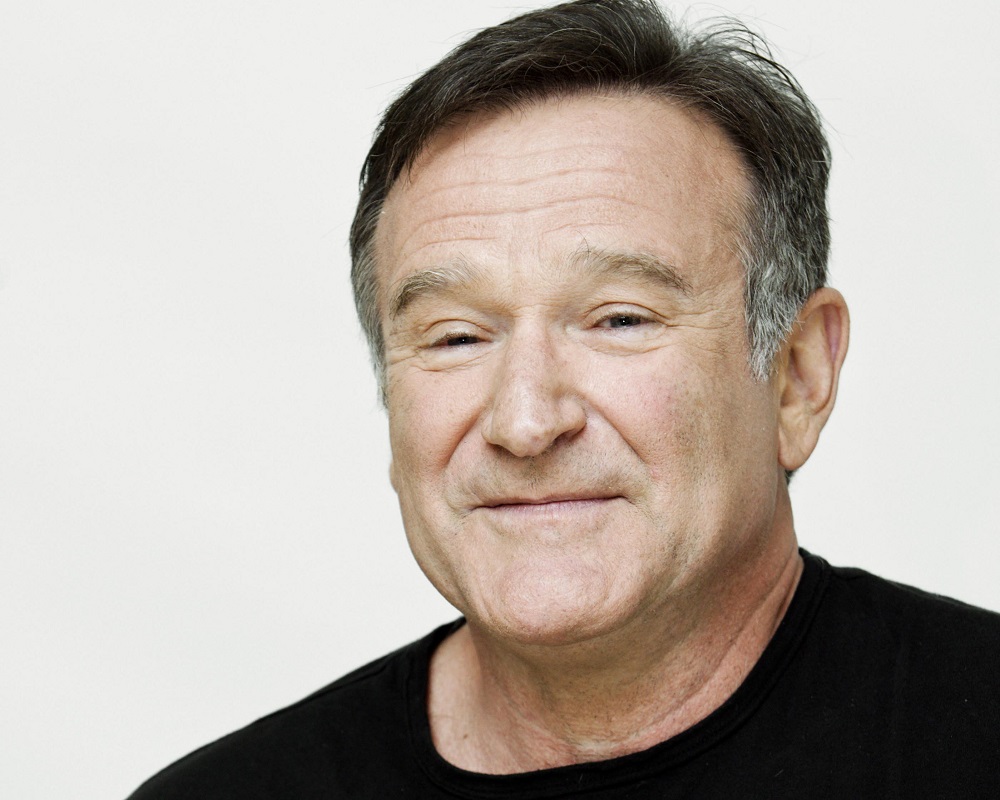
Which woman will be more successful?

Which woman will be more successful?

Study after study shows that people who are beautiful are more successful financially, socially, intellectually, politically, and romantically than people who are not so beautiful. People who are beautiful also generally have a better self-image, and are more likely to approach everything they do with a belief that they will be successful. And though it certainly doesn’t guarantee success, the power of positive thinking does make people more likely to succeed.

So you may be surprised to hear that I agree with you. By almost any measure you care to make, it’s not fair that God made some people incredibly beautiful, and others just average.

Fairness comes only in the things that can’t be measured: spiritual things.

But let’s not get ahead of ourselves.

First, let’s just admit that this is a real problem for many, many people, both women and men. Especially if you are a young woman just starting out in life, it can feel like your whole life depends on whether you were born with beautiful genomes, or whether your genetic roll of the dice came out snake eyes. And no matter who you are, your looks can have a major impact on your life.

For more on beauty, fairness, God, and spirit, please click here to read on.

Tagged with: , , , , , , , , , , , ,
Posted in Spiritual Growth

What does it Mean to Minister? Michael Sulsona’s Story

These days, when we hear the word “minister,” we’re likely to think of a preacher in a pulpit delivering a sermon to a church full of people. Or we may think of a top government official such as the Prime Minister of England, who holds great power over the citizens.

So it may be surprising to hear that the real meaning of minister is a servant: someone who serves others. Real ministry happens every time we serve the needs of other people—even if it has nothing to do with churches or governments.

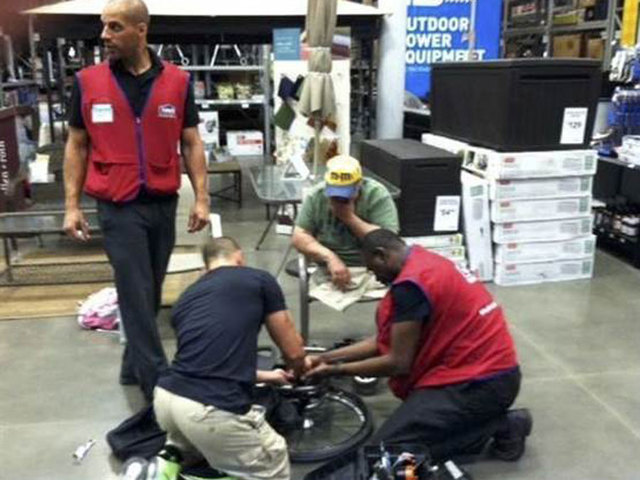
Lowe's employees David, Marcus, and Souleyman fix Michael Sulsona's wheelchair

Lowe’s employees fix Michael Sulsona’s wheelchair

Michael Sulsona, of Staten Island, New York, experienced this kind of ministry one day when he was shopping in his local Lowe’s Home Improvement store. He was just rolling along through the aisles in his wheelchair . . . .

Oh, I guess I should mention that in 1971, while serving as a Marine in Vietnam, Michael Sulsona stepped on a land mine and lost both of his legs above the knee. He’s had to use a wheelchair to get around ever since.

So as I was saying, Sulsona was rolling through the aisles of his local Lowe’s store, accompanied by his wife Frieda, when his ailing wheelchair fell apart on him . . . again . . . .

As it turns out, it couldn’t have happened at a better place!

Lowe’s, of course, sells not only all sorts of appliances and accessories for a well-equipped home, but also all the parts and hardware that a home handyman might want. If something needs fixing, chances are Lowe’s has what’s needed to fix it.

But it wasn’t just the hardware that made this particular store the best possible place for Sulsona’s wheelchair to break down.

It was the people.

For more ministry and broken wheelchairs, please click here to read on.

Tagged with: , , , , , , , , , , , ,
Posted in Current Events

How can we have Faith when So Many Bad Things happen to So Many Good People? Part 4

Click here for Part 1 of this article.

Click here for Part 2 of this article.

Click here for Part 3 of this article.

It’s time to face the music. It’s time to get busy and struggle with our faith. It’s time to search for what God is trying to tell us in allowing so much tragic suffering and death. It’s time to consider what God may be asking us to do about it.

First, we must simply admit:

7. We will never fully understand God’s actions

In Part 1 I said that I can’t answer all of your questions about why God allowed particular people—some of them people you loved and cared about—to die of cancer, or in an automobile accident, or from a hurricane or flood. That’s because I don’t know why God allowed these things to happen.

Only God’s understanding is infinite. Our understanding is small and limited. Often, we simply don’t have enough information to understand why God allowed an innocent person to die, and their loved ones to suffer.

Sometimes the best we can do is to trust that God actually does love everyone involved, and that in the eternal scheme of things there is some reason for what happened, even if it looks completely senseless to us.

Yes, if circumstances had been different, maybe things could have turned out better. However, God has to take into account all of the factors that affect our lives as they unfold. Those factors include the inexorable workings of a material universe that doesn’t care whether we puny humans live or die. They also include all of the human factors of love and hate, enlightenment and insanity, compassion and sadism, that make human life and human community so complex and tangled.

We humans see the particular circumstances that surround particular tragic events. God sees all of the circumstances, past, present, and future, near and far, that influence those events.

We see only the immediate aftermath of deaths due to accidents, cancer, or heart disease—and of natural disasters that claim thousands of lives. God sees the eternal consequences of those events.

For more on our spiritual journey in the midst of so much tragedy, please click here to read on.

Tagged with: , , , , , , , , , , ,
Posted in Pain and Suffering, Spiritual Growth

How can we have Faith when So Many Bad Things happen to So Many Good People? Part 3

Click here for Part 1 of this article.

Click here for Part 2 of this article.

Part 2 dealt with God’s eternal perspective in creating and governing the universe and the people in it. One of the points made there was that from a modern, scientific perspective, there is no such thing as good and evil in nature. Diseases, accidents, and natural disasters are just part of the way nature works.

And yet, when disease, accident, and natural disaster strike us humans, it feels evil. It can drive us to radically question our faith. It can cause us to question the existence, or at least the benevolence, of a God who created such a violent universe, and who watches while we supposedly beloved humans endure so much tragedy.

I hope Part 2 helped you to understand, or at least approach the idea, that natural causes of pain and suffering such as diseases, accidents, and natural disasters are linked to the existence of human evil, even if they are not evil in themselves. As I said earlier, evil is a moral and spiritual phenomenon. It exists only in the human heart, mind, and spirit.

And yet, there is a certain relationship or correspondence between spiritual evil and the almost casual cruelty of nature. That cruelty and violence affects human beings just as it does every other animal in nature.

In order to deal with it, we must look more closely at the nature of evil, and why it strikes even the innocent with crippling and fatal diseases and disasters. Evil is not merely a blind force. It has definite purposes and goals. That’s because it is a human force—even if it comes from a twisted, inhuman version of humanity.

For more on bad things happening to innocent people, please click here to read on.

Tagged with: , , , , , , , , , ,
Posted in Pain and Suffering

How can we have Faith when So Many Bad Things happen to So Many Good People? Part 2

Click here for Part 1 of this article.

In Part 1, we talked about the painful struggles of life, our questioning of God, and how coming to realize that we don’t understand the way God runs this universe is a good place to start on our spiritual journey.

Now let’s look at the bigger picture, and see if we can look at our tragedy and existential angst from a broader and more spiritual perspective.

1. God looks at everything from an eternal perspective

God looks at our life on earth from a very different perspective than we do.

As we move along in life, experiencing its joys and its sorrows, we see only what we have been through, and what we are experiencing now. We have only a vague notion of what our future will hold. As our life unfolds, it often turns out very differently than we thought it would.

God has no such limitations of vision. And God is much more concerned with what our life will be like forever in heaven than with what it is like for the relative nanosecond that we are here on earth.

Yes, God is concerned about the pain and suffering we struggle with during our earthly lifetime. God feels our sorrows deeply, and grieves with us.

But God also knows that without the struggle, suffering, pain, and sorrow that we experience here on earth, we will never develop into the loving, compassionate, and merciful angels that God created us to become.

Life here on earth offers us moments of beauty and tranquility. And we should savor and thank God when we encounter them. However, the fact is that our heavenly life is determined by how we handle our challenges on earth.

God created a universe and an environment with diseases, accidents, and natural disasters that challenge us to grow and evolve on a physical level, an emotional level, and most importantly, on a spiritual level. Our most solid and substantial growth as human beings takes place during the difficult and painful challenges we face in life. Without them, there would be no motivation to grow and change into the angels God created us to be.

For more on God’s perspective vs. our perspective, please click here to read on.

Tagged with: , , , , , , , , , , ,
Posted in Pain and Suffering, Science Philosophy and History

How can we have Faith when So Many Bad Things happen to So Many Good People? Part 1

Three Spiritual Conundrums have been submitted to Spiritual Insights for Everyday Life on a similar theme. First, from a reader named Tom:

I understand the concept of free will and that we were all given the ability to make choices. So while murders, war, rape, etc. are horrible, they are the result of our own free will. My question is, how do we deal with random bad events/illness happening to good people. I recently read about a 24 year old Christian man who was diagnosed with a rare form of cancer that eventually took his life a year later. He left behind a wife and young daughter. It is hard for me to comprehend why this man couldn’t be saved or why he was stricken with this in the first place.

Then a reader named Grace wrote:

I just read your article “If God is Love, Why all the Pain and Suffering?

I have asked myself those same questions and I appreciate your explanation. I understand what you are saying in those regards, but what about when people die not due to the sin of someone else? For example, a child (or adult) that passes because of Cancer? Or someone dies in a horrific car accident? What makes God decide that it is that persons time?

And Tom wrote more about his struggles with this issue:

I haven’t written in a while but have still been following your blog. I feel like I am losing my faith and I don’t know how to get it back. You already know I lost my parents and this past week a friend of mine passed. He was only 42 and died suddenly leaving behind a wife and three kids. I can’t reconcile how that could happen. It has made me question a lot more than I would like to admit. I have been going through a sort of existential dilemma filled with a lot of existential anxiety. How can one find the strength inside and in God to somehow see the good in these bad human experiences? Thanks.

Thanks, Tom and Grace, for opening up your hearts to ask these terrible, wrenching questions.

I wish I could say something simple to make it all better. I wish I could answer the question of why these tragedies happened to your friends and family. But the truth is, I can’t. These are questions that each of us must face within the depths of our own soul. And real answers come only with time and deep reflection.

It’s not that there aren’t any answers. It’s that satisfying answers come to us only through our own struggles with life, with God, and with our own mind and heart. These questions strike at the core of who we are as human beings. They touch the heart of our faith and our relationship with God.

I can’t tell you why particular people are maimed or killed in tragic circumstances. What I can do is offer some new perspectives that may help in the struggle for answers to these difficult and painful questions.

We’ll start by looking more closely at the experience of having our faith tested. It may not be easy reading, but these are not easy issues. If we’re going to find any real answers, we must dig deep. So please bear with me if some of what must be said temporarily adds to the pain. Like setting a dislocated shoulder or removing shrapnel from a wound, often we must endure further pain to get ourselves on a path toward spiritual and emotional healing.

If you can follow along on this journey with me, I’ll then offer some thoughts and ideas that may help as you struggle to understand why tragedies such as diseases, accidents, and natural disasters happen to innocent, undeserving people.

Dealing with these big questions is going to take some time. There are plenty of superficial, pat answers out there. Finding real answers requires changing our perspective on the universe and on human society. That will require us to traverse some territory that may at first seem unlikely or even impossible. All I ask is that you read and consider carefully what I have to say.

So let’s dig into it.

For more on when bad things happen to good people, please click here to read on.

Tagged with: , , , , , , , , , , ,
Posted in Pain and Suffering, Spiritual Growth

Ihor Lakatosh’s Story: How Healing the Body Helps the Soul

Ihor Lakatosh with Dr. Gennadiy Fuzaylov

Ihor Lakatosh with Dr. Gennadiy Fuzaylov

(Photo credits: AP / Michael Dwyer)

For those who have a healthy, working body, it’s easy to take it for granted. It’s only when our body isn’t working so well that we realize how profound an impact our body has on our life . . . and on our soul.

Young Ihor Lakatosh, from Lviv Ukraine, was on the wrong side of this reality. When he was about three years old, he suffered burns on 30% of his body. Due to inadequate treatment, in the aftermath he lost his ability to walk, and had to live with one arm fused to his body. As a result of these and other physical issues, he was severely malnourished, and his caretakers thought he was mentally impaired.

Now, however, Ihor’s story has taken a happier turn. You can read the full AP News piece here.

Through a series of connections initiated by the director of the orphanage where Ihor lives, he was able to travel to Boston thanks to the work of a nonprofit organization called Doctors Collaborating to Help Children. In Boston, he has received a series of operations and recuperative therapy thanks to another nonprofit: Shriners Hospitals for Children, whose Boston hospital specializes in treating children with severe burns.

The results?

Here they are in Ihor’s own words (through an interpreter):

I can do everything now. I can go to school . . . I can go outside and play. I can eat by myself. I can go home and do my homework. I can go to bed by myself. I can do everything by myself. I can live a life now.

There was nothing wrong with Ihor’s mind. And his spirit remained strong through it all. What he needed was a working body.

Those who work to repair physical injuries and impairments are doing more than healing the body. They are helping the soul.

For more on how healing the body helps the soul, please click here to read on.

Tagged with: , , , , , , , , , , ,
Posted in Current Events, Pain and Suffering

Isaiah Austin’s Marfan Syndrome: Another Life or Death Choice

Isaiah Austin in an interview about his Marfan syndrome diagnosis

Isaiah Austin in an interview about his Marfan syndrome diagnosis

(Photo credit: ESPN.com news services)

Three months ago we wrote about Isaiah Austin, an inspiring young man who overcame blindness in one eye to pursue his basketball career at Baylor University: The Basketball Eyes of Isaiah Austin: “Your Excuse or Your Story?”

Since then, Austin has continued his strong drive toward a basketball career in the NBA (National Basketball Association).

Now, however, he has received devastating news. As a precursor to being a likely NBA draft pick this year, he underwent medical testing to assess his health and fitness for professional sports.

The results?

Isaiah Austin has Marfan syndrome, a rare disease (about 1 in 5,000 people have it) that affects the body’s connective tissues. Have you heard stories of athletes dropping dead in the middle of a game? Most likely it was caused by a ruptured heart or aorta due to Marfan syndrome.

For Austin, it means that his dreams of a basketball career in the NBA are over. Playing competitive sports would mean playing with death. For the full story on ESPN, see: “Isaiah Austin has Marfan syndrome.”

When we wrote about Austin previously, he had faced—and made—a choice about whether to give up on his dream, or pursue it despite his disability.

Now Isaiah Austin faces another personal life or death choice.

For more on Isaiah Austin’s life or death choice, please click here to read on.

Tagged with: , , , , , , , , , ,
Posted in Spiritual Growth, Sports and Recreation
Lee & Annette Woofenden

Lee & Annette Woofenden

Donate

Support the work of Spiritual Insights for Everyday Life by making a monthly donation at our Patreon

Join 1,296 other subscribers
Earlier Posts
Featured Book

Great Truths on Great Subjects

By Jonathan Bayley

(Click the title link to review or purchase. This website receives commissions from purchases made via its links to Amazon.)

Blog Stats
  • 4,201,930 hits